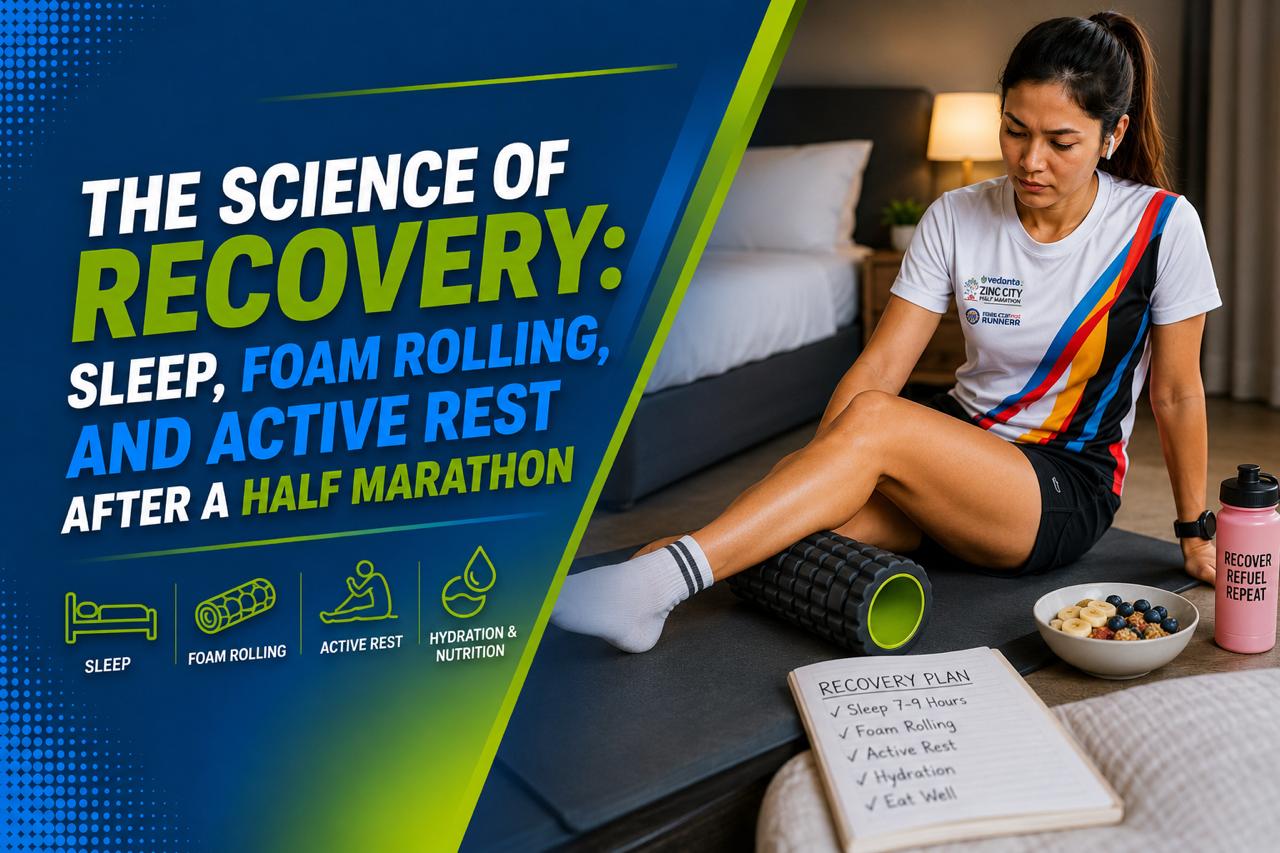
The applause dies down, the medal is pinned around your neck, and the true work quietly starts. Running an event like the Zinc City Half Marathon is hours of repetitive stress, microtears, and fluid loss, and nothing clears up by sitting on the couch. Recovery is a biological process, and each of those who know its rules knows that this process has its own rules and runners who understand and follow them bounce back quicker, do not suffer from nagging injuries, and go into their next training block much stronger.
What Actually Happens to the Body Post-Race
Running a half marathon doesn’t just leave you with sore legs. The muscle fibers suffer microscopic tears, the glycogen is almost depleted, there is a rise in inflammation throughout the body, and the immune system is temporarily weakened. This internal picture is where the next 48-72 hours come into play, because this is the period of time in which the body is most sensitive to repairing and also most susceptible to further injury if overworked.
Sleep Does the Heavy Lifting
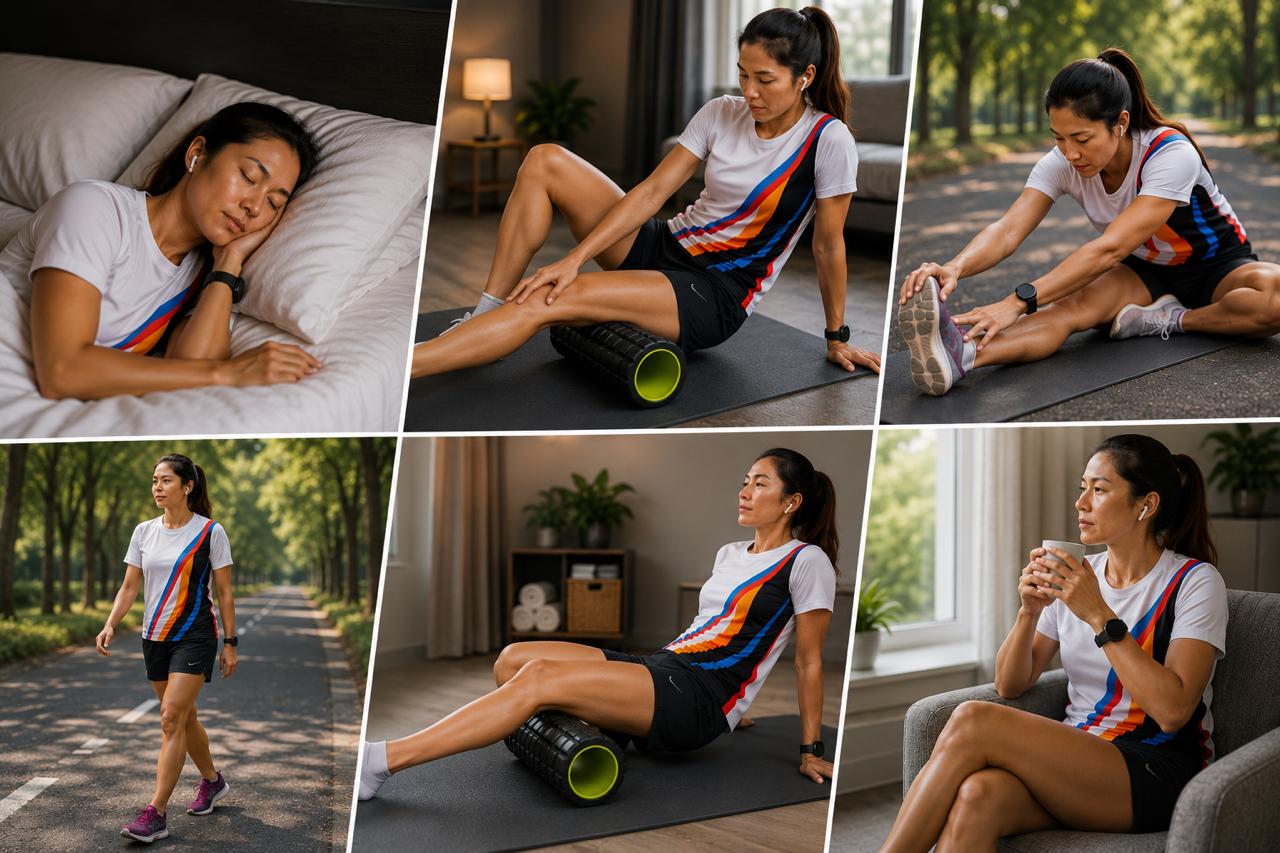
If science has one recovery tool that it points to, it is sleep. In deep sleep, the body secretes growth hormone, which is the chief factor for tissue repair. Sleep also directly influences cortisol and inflammatory markers, which are increased following prolonged, vigorous exercise. A taxing race also takes its toll mentally as well, and a good night’s sleep refocuses the mind, improves the mood, and boosts decision-making—all of which have an unseen impact on how well a runner follows a recovery plan in the days following. While one night of solid sleep will help, the key is to make rest a priority the entire following week, and not just the night after the race.
Foam Rolling: Small Tool, Real Impact
While foam rolling cannot reverse the effects of a day on the road instantly, it can help ease these effects in a few practical ways. The post-race rolling will help to increase blood flow to the tired muscle groups, helping to remove metabolic waste that has accumulated during the race. It also releases tight tissue in areas that are under high tension, such as the IT band, quadriceps, and calves, to restore a more natural range of motion. Many runners will use a rolling session as a self-check as well and will seek to ice, massage, and/or run at a lower intensity into tender areas that may require additional care.
Active Rest Over Total Inactivity
After strenuous running, complete rest is an attractive proposition, but all studies support activity over total inactivity. Some successful methods are the following:
- Short, easy walks to keep blood circulating without adding joint stress
- Light cycling or swimming to maintain cardiovascular fitness with zero impact
- Gentle stretching or restorative yoga to release built-up tension
- Slow, short jogs introduced only once soreness has clearly faded
The purpose of active rest isn’t fitness gain—it’s helping the body clear waste products and rebuild circulation more efficiently than sitting still ever could.
Nutrition’s Quiet Role in Recovery
- Replenish glycogen – balanced carbohydrates help refill energy stores depleted during the race
- Support muscle repair – adequate protein intake aids in rebuilding damaged muscle fibers
- Stay properly hydrated – replacing fluids and electrolytes lost through sweat speeds up overall recovery
- Don’t skip meals – under-fueling in the days after a race often shows up later as lingering fatigue with no clear cause
Avoid underfeeding before, during, and after races, as this will manifest itself later as unexplainable fatigue.
The Local Recovery Culture
The concept of recovery has become more a part of the process of the race day itself than something they work out at home. There’s been a growing emphasis on recovery, with community events such as Vedanta Zinc City setting up dedicated recovery zones with areas to stretch and hydration support near the finish line.
Conclusion
The recovery period is not downtime; it’s where the real results from a race day can be secured. Foam rolling improves blood flow, active rest keeps the body moving while it sleeps, and sleep helps to repair tissues. The people who take these days on the same serious note as they take their running days will return to run stronger, whether they’ve finished the Zinc City Half Marathon or are just seeking their next personal best.