
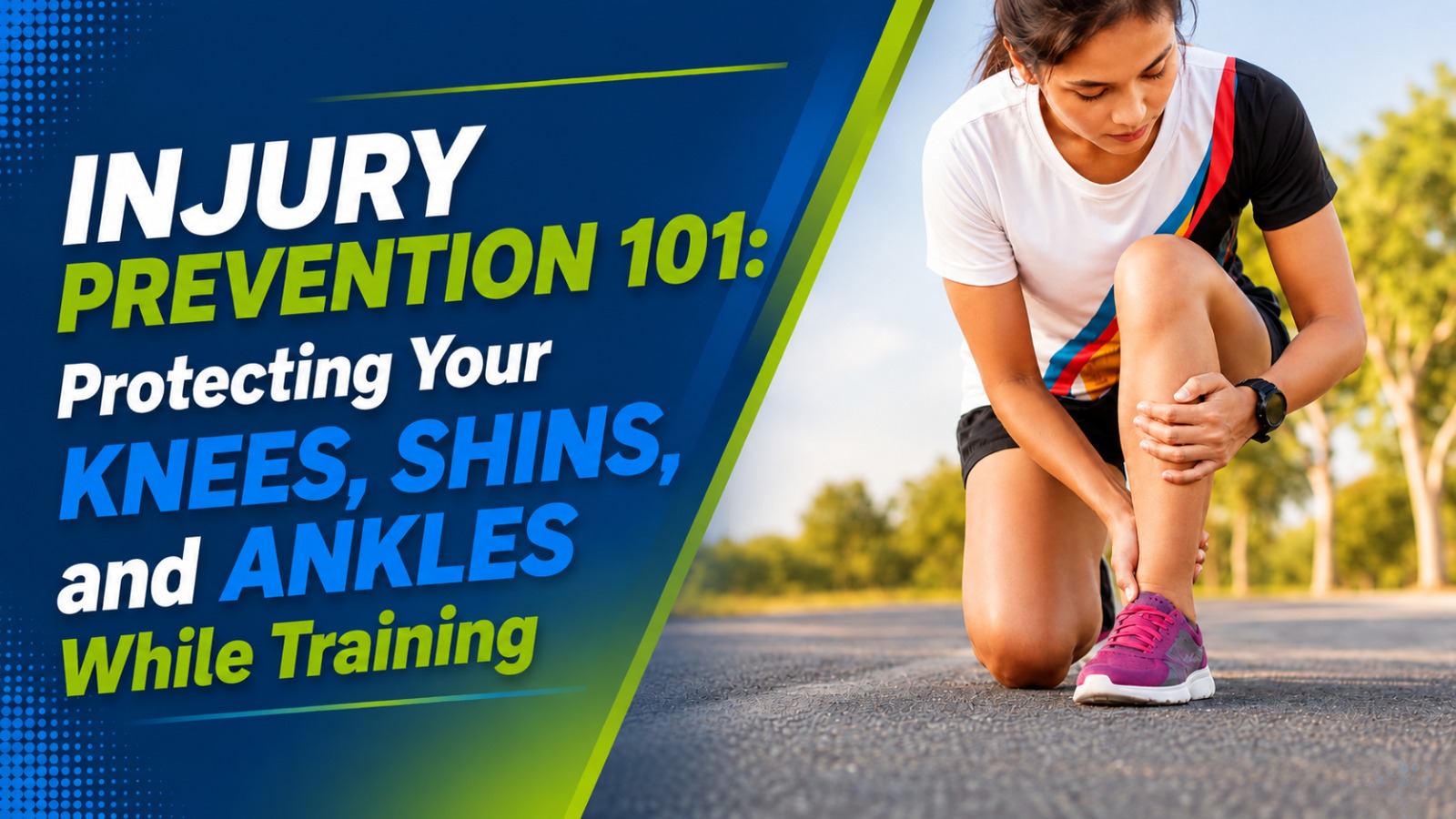
While everyone wants to run faster or farther, no runner wants to finish the race with an injury. If you’re training for your first half marathon or your personal best at the Zinc City Half Marathon, protecting your knees, shins, and ankles will be a big part of your training routine. Minor precautions now can save you weeks of recovery later.
1. Why Running Injuries Happen
Running causes recurrent strain to the lower portion of the body. If the training volume is too high or recovery is neglected, the joints and muscles may not be able to cope. This frequently results in shin splints, knee pain, and/or ankle pain. Luckily, many of these injuries are avoidable through judicious training practices and preparation.
2. Build Your Mileage Gradually
Runners’ biggest error is running too fast. Motivation may be important, but bodies require time to adjust to an increased workload. Here are some tips to keep in mind:
- Gradually increase weekly mileage
- Add in at least 1 recovery day per week
- Rotate challenging and easy workouts
- Avoid overexertion when training
- Slow and steady is better than jumping distances
3. Strength Training Supports Healthy Joints
Well-developed muscles eliminate the impact on knees and ankles during running. Including two brief strength sessions per week can help to increase stability and minimize risk of injury.
Focus on exercises such as bodyweight squats
- Lunges
- Glute bridges
- Calf raises
- Single-leg balance exercises
These movements help to develop muscles that enable good running form

4. Wear the Right Running Shoes
Even if running shoes look in good shape, they will start to lose their cushioning over time. Worn-out shoes can worsen impact on your joints and lead to overuse injuries.
Pick the running shoe that suits your sstride,and replace shoes over time as they wear out and as per recommended shoe life.
5. Never Skip Warm-Up and Cool-Down
Warming up will increase flexibility and mobilize key muscle groups before running. Similarly, cooling down helps your heart rate return to normal, and it helps to ease muscle stiffness. It can be a simple routine such as
- FIVE minutes of brisk walking
- Dynamic leg swings
- Hip mobility exercises (gentle)
- Extending the light after the run
It only takes a matter of minutes a few times to make an impact
6. Listen to the signs of early warning
Pay attention to signs of early warning. The pain of minor aches cannot be ignored. If the pain lasts for a few runs, then your body is probably in need of rest or modification of your training program.
At Vedanta Zinc City, runners are supported to work on steady progression as well as their recovery, mobility, and injury prevention. Developing healthy training habits will make it more enjoyable for the participant to experience each phase of their running experience.
Conclusion
Training for the Zinc City Half Marathon is more than just adding distance per week. By training slowly, building strength, wearing appropriate footwear, and resting well, you will maintain your health on your knees, shins, and ankles throughout your preparation. Balanced training means you can train regularly, race with confidence, and get to the starting line prepared to have a great time!